
Hear from Our Customers
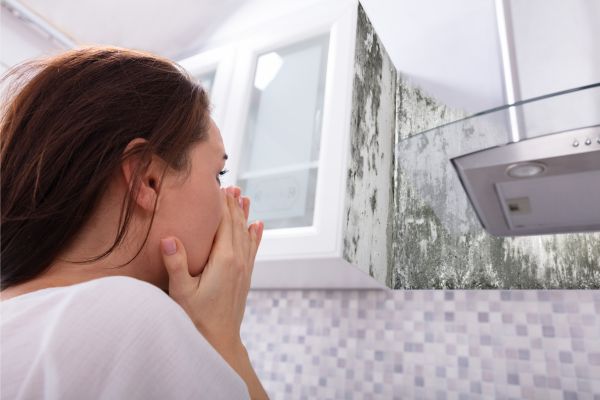
You’ve noticed the musty smell in your basement. Maybe someone in your house has been coughing more than usual, or you’re dealing with unexplained headaches that seem worse at home. You need to know if mold is the problem—and if it is, how bad it actually is.
Professional mold testing gives you specific answers. Not guesses. Not maybes. You’ll know exactly what type of mold you’re dealing with, where it’s concentrated, and what levels are showing up in your air. That’s the difference between wondering if you have a problem and knowing exactly what you’re up against.
The testing process uses air sampling and surface testing to capture what’s actually in your home. Those samples go to an independent certified lab that identifies the species—including black mold—and measures concentration levels. Within 3-5 business days, you get a detailed report that tells you what’s there and what it means for your family’s health.
We’ve been serving Elephant and the surrounding Bucks County area for over 15 years. We’ve completed more than 2,000 mold inspections across southeastern Pennsylvania, and we understand how homes in this region behave—especially older properties with basement moisture issues and ventilation challenges that come with our humid summers.
Here’s what makes our approach different: we only do testing and inspection. We don’t do remediation. That means when we test your home, you’re getting unbiased results. We have no financial incentive to tell you there’s a problem if there isn’t one, and we’re not trying to upsell you on cleanup services. You pay for accuracy, not a sales pitch.
Our inspectors are Pennsylvania state-licensed and use advanced equipment like thermal imaging cameras and moisture meters to find mold that isn’t visible yet. We’re available 24/7 for urgent situations, and we start every job with a free inspection to assess what’s going on before you spend a dime on testing.
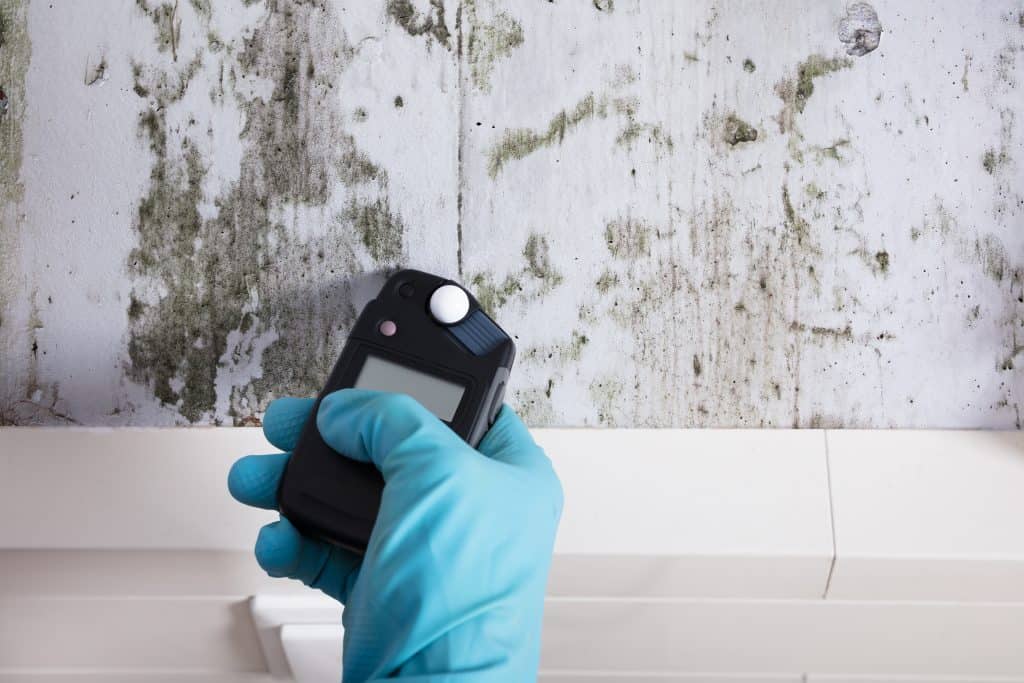
First, we come out for a free inspection. We’ll walk through your property, look at the areas you’re concerned about, and use moisture meters and thermal imaging to identify problem spots—even behind walls or under flooring where you can’t see. This tells us where to focus the testing and whether testing is even necessary.
If testing makes sense, we’ll collect air samples from different areas of your home and take surface samples from any visible growth. We use professional-grade equipment that captures mold spores and other airborne contaminants like allergens and dust mites. The whole process typically takes 1-2 hours depending on your property size.
Those samples go straight to an independent certified lab. They analyze everything and identify specific mold species, measure concentration levels, and compare your indoor air quality to outdoor baselines. You get a detailed report within 3-5 business days that breaks down what was found, where it’s concentrated, and what it means in plain language—not technical jargon.
We’ll walk you through the results and explain your options. If remediation is needed, we can refer you to trusted professionals, but there’s no pressure to use anyone specific. Our job is to give you accurate information so you can make the right decision for your situation.
Ready to get started?
Every mold testing service includes a thorough visual inspection using thermal imaging and moisture detection equipment. We’re looking for active leaks, condensation problems, and areas where humidity is creating conditions for mold growth. In Elephant and throughout Bucks County, we see this most often in basements, crawl spaces, attics, and around HVAC systems—especially in older homes where ventilation wasn’t designed for today’s energy-efficient windows and insulation.
You get both air sampling and surface sampling when needed. Air samples capture what’s floating around that you’re actually breathing. Surface samples identify growth on walls, ceilings, or other materials. Both matter, because mold behind a wall might not show up in air samples until it’s already widespread.
The lab analysis identifies specific species. That matters because not all mold is equally dangerous. Stachybotrys chartarum—black mold—requires a different response than common household molds like Cladosporium. The report also shows concentration levels, which tells you if you’re dealing with normal background levels or something that needs immediate attention.
If you’re buying or selling a home in Elephant, we provide documentation that satisfies real estate transaction requirements. If you’re filing an insurance claim after water damage, our reports include everything your insurer needs. And if you’ve already had remediation done, we offer post-remediation clearance testing to verify the air is safe before you move back in.
Most residential mold testing in Elephant runs between $300 and $600 depending on your property size and how many samples we need to collect. A typical single-family home with 2-3 areas of concern usually falls around $400-$450. Larger homes or properties with multiple problem areas cost more because we’re collecting more samples and spending more time on the inspection.
We start with a free inspection, so you’ll know upfront what testing will cost before you commit to anything. We’ll explain exactly what we recommend testing and why, so you’re not paying for samples you don’t need. Some companies offer “free testing” but tie it to remediation services—which means they have a financial reason to find problems. We charge for testing because it keeps our results unbiased.
The lab analysis is included in that price. You’re not paying extra for the report or the walkthrough of results. And if you need post-remediation clearance testing later to verify the air is safe after cleanup, that’s typically less expensive because we’re just confirming the problem is resolved.
The actual testing appointment takes 1-2 hours for most homes. We’re doing a visual inspection, using thermal imaging to check for hidden moisture, and collecting air and surface samples from the areas that need testing. Larger properties or commercial buildings take longer, but we’re not there all day.
The samples go to an independent certified lab for analysis. You’ll have results back within 3-5 business days. That’s when you get the detailed report showing what mold species were found, the concentration levels, and how your indoor air compares to outdoor baselines. Some labs can rush results if you’re in an urgent situation—like a real estate transaction with a tight closing deadline—but that usually costs extra.
Once you have the report, we’ll schedule a time to walk through it with you. We’ll explain what everything means in plain language and answer your questions about next steps. That conversation usually takes 20-30 minutes. If remediation is needed, we’ll refer you to qualified professionals, but you’re not obligated to use anyone we recommend.
You can, but DIY kits don’t give you the information you actually need to make decisions. Most hardware store kits just tell you “mold is present”—which isn’t useful because mold spores exist in every home. What matters is what type of mold and how much of it you’re dealing with.
DIY kits can’t identify specific species. They can’t tell you if you’re looking at harmless mold or Stachybotrys chartarum. They don’t measure concentration levels, so you have no idea if you’re dealing with normal background levels or dangerous contamination. And they don’t include professional equipment like thermal imaging that finds hidden moisture problems before they become visible mold growth.
Professional testing costs more upfront, but it gives you actionable information. You’ll know exactly what you’re dealing with, where it’s concentrated, and whether it’s affecting your indoor air quality. That’s what you need to decide if remediation is necessary and what approach makes sense. DIY kits leave you guessing—and usually end up costing more in the long run when you have to call a professional anyway.
In Elephant and throughout Bucks County, we see a lot of Cladosporium, Penicillium, and Aspergillus in homes—especially in basements and bathrooms. These are common molds that thrive in humid environments, and Pennsylvania’s summer humidity creates perfect conditions. They’re not as dangerous as black mold, but they still trigger allergies, asthma, and respiratory issues.
Stachybotrys chartarum—black mold—shows up less frequently, but when it does, it’s usually in areas with ongoing water problems. Basements with foundation leaks, crawl spaces with poor drainage, and attics with roof leaks are the most common spots. Black mold needs consistent moisture over time, so it’s a sign of a bigger problem that needs fixing beyond just removing the mold.
Older homes in this area—and Elephant has plenty of them—tend to have more mold issues because they weren’t built with modern moisture barriers and ventilation systems. Fieldstone foundations are common in historic properties, and they let moisture seep through. Add in outdated HVAC systems that don’t properly dehumidify, and you’ve got conditions where mold grows easily. That’s why testing matters—you need to know what you’re dealing with so you can address both the mold and the moisture source.
If you can see mold, you know you have a problem—but testing still tells you what kind of problem and how far it’s spread. Visible mold on a bathroom wall might just be surface growth from shower steam. Or it might be a sign of mold behind the wall that’s affecting your whole house through the HVAC system. Testing shows you the difference.
Air quality testing is especially important when there’s visible growth because it tells you if mold spores are circulating throughout your home. You might see a small patch in the basement, but if spore counts are elevated in your bedroom, that means the problem is bigger than what’s visible. That changes how you approach remediation.
Testing also identifies the species, which matters for health and remediation planning. Some molds come off with basic cleaning. Others—like black mold—require professional removal with containment and air filtration to prevent spreading spores during cleanup. If you’re planning to hire someone for remediation, testing gives them the information they need to do the job right the first time. And post-remediation testing verifies the work was effective before you pay the final bill.
Yes, if you’re filing a claim after a leak, flood, or other water damage, mold testing provides documentation your insurance company will ask for. Most policies require proof of the mold type, the extent of contamination, and evidence that it resulted from a covered event. Our lab reports include all of that information in a format insurers recognize and accept.
Testing also establishes a baseline before remediation starts. That protects you if there’s a dispute about how much work was actually necessary. You’ll have independent lab results showing what was there, not just the remediation company’s assessment. And if your insurer questions whether the mold is new or pre-existing, testing can help clarify the timeline based on growth patterns and moisture readings.
Keep in mind that most homeowners insurance covers mold only if it resulted from a sudden, accidental event—like a burst pipe. They typically don’t cover mold from ongoing maintenance issues like a slow roof leak you ignored. Testing doesn’t change your policy coverage, but it does give you the documentation you need to support a legitimate claim. We’ve worked with dozens of insurance adjusters in Bucks County, and we know what they’re looking for in a mold report.
Other Services we provide in Elephant